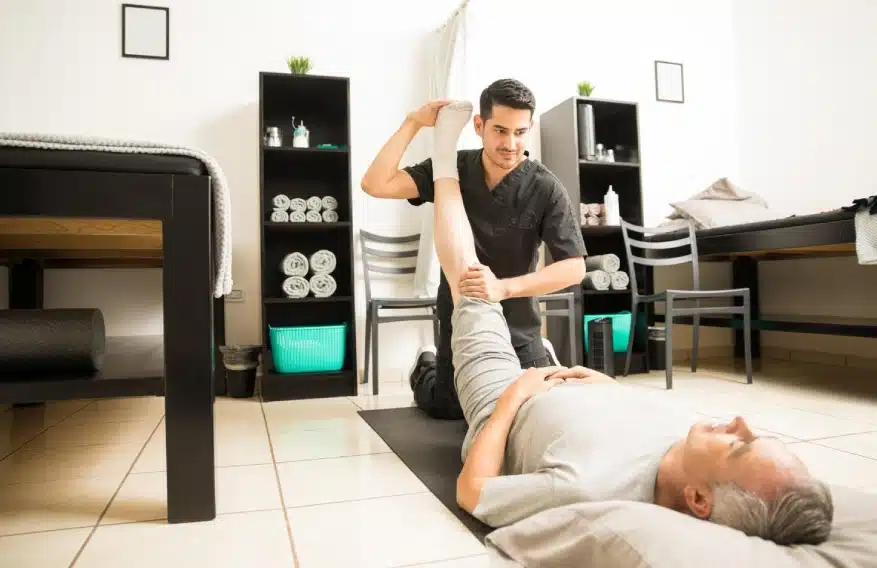
For many older adults, independence is measured through ordinary parts of the day: getting out of bed, walking to the bathroom, dressing, preparing food, using the stairs or leaving home safely.
Ageing does not affect everyone in the same way. Some people remain highly mobile into later life, while others may experience changes after illness, surgery, a fall, stroke, Parkinson’s disease or a period of reduced activity. The World Health Organization emphasises that there is no single “typical” older person and defines healthy ageing around maintaining the functional ability that allows people to do what matters to them.
This is where geriatric physiotherapy services in Dubai can play a role.
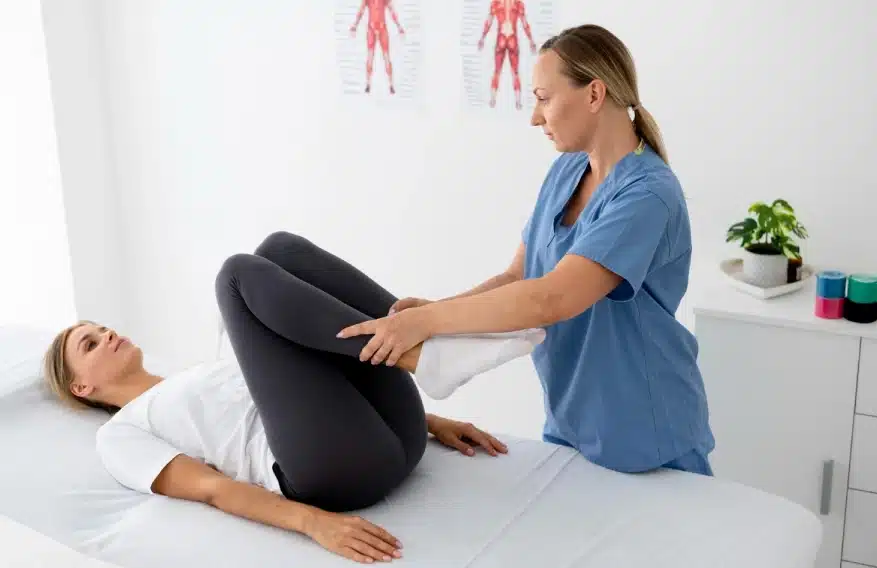
Rather than focusing only on isolated exercises, physiotherapy for older adults can assess how strength, balance, coordination, walking and transfers affect everyday function. The rehabilitation plan can then be adapted around the individual’s current abilities, medical history and personal goals.
At FISIO, related rehabilitation pathways include ADL training, bed mobility exercises, stroke rehabilitation and Parkinson’s rehabilitation.
What Is Geriatric Physiotherapy?
Geriatric physiotherapy is physiotherapy adapted to the needs and goals of older adults.
It may be relevant when a person notices difficulty with:
- Walking
- Balance
- Standing from a chair
- Getting into or out of bed
- Using stairs
- Transfers
- Reduced strength
- Coordination
- Confidence after a fall
- Returning to activity after illness or surgery
- Everyday tasks after stroke or another neurological condition
The objective is not to make every older adult perform the same exercise programme.
WHO guidance recognises substantial variation in physical and mental capacity among older adults, which is why rehabilitation and activity should be adapted to the person rather than their age alone.
Independence Starts With Everyday Function
Physiotherapists often look beyond whether someone can perform an exercise in the clinic.
A more useful question is:
Can the person use that ability during everyday life?
For example, stronger legs may matter because they help someone stand from a dining chair. Better balance may matter because it helps them turn safely in a bathroom. Improved bed mobility may make it easier to sit at the edge of the bed before standing.
This functional approach closely reflects the WHO concept of healthy ageing, which includes meeting basic needs, remaining mobile, making decisions, maintaining relationships and participating in society.
At FISIO, ADL training focuses on everyday activities such as transferring, dressing, feeding, bathing, laundry and meal preparation.
1. Strength Training for Everyday Activities
Muscle strength is relevant to many routine tasks.
Older adults may need sufficient lower-body strength to:
- Rise from a chair
- Stand from the toilet
- Climb steps
- Walk
- Transfer between surfaces
Upper-body strength may also contribute to tasks such as using mobility aids, reaching and some aspects of self-care.
WHO recommends muscle-strengthening activity for older adults and also recommends multicomponent activity that includes functional balance and strength for people aged 65 and over.
A physiotherapist can adjust strengthening according to the person’s current capacity. This might include supported sit-to-stand practice, resistance exercises or functional movements rather than prescribing the same repetitions and resistance to everyone.
The goal should be safe progression, not exhaustion.
2. Balance Training and Fall Risk
Changes in balance can affect confidence as much as physical ability.
An older adult who has fallen—or is worried about falling—may begin avoiding walking, stairs or leaving home. Reduced activity can then make maintaining strength and mobility more difficult.
Current NICE guidance recommends tailored falls-prevention exercise for appropriate people at risk. Programmes should address factors such as balance, coordination, strength and power and should be adjusted to the individual’s needs, abilities and goals.
A physiotherapy assessment may examine areas such as:
- Standing balance
- Turning
- Walking
- Transfers
- Lower-limb strength
- Coordination
- Confidence during movement
Fall prevention is broader than exercise alone. NICE also recommends considering home-hazard assessment for relevant people, recognising that the environment contributes to falls risk.
Physiotherapy therefore does not guarantee that someone will never fall. It can form one part of a broader, individualised falls-management strategy.
3. Mobility Training for Older Adults
Mobility training elderly patients receive should relate to the actual movements they need in daily life.
That may include practising:
- Walking indoors
- Walking outdoors where appropriate
- Changing direction
- Starting and stopping
- Navigating thresholds
- Using stairs
- Moving around furniture
- Using an appropriate walking aid
WHO encourages older adults to remain as physically active as their health and abilities allow, with particular emphasis on strength, balance and coordination when mobility is reduced.
A physiotherapist may also consider whether the person’s walking pattern has changed because of a neurological condition such as stroke or Parkinson’s disease.
The training goal should be relevant to the individual. One person may want to walk safely from the bedroom to the kitchen. Another may want to resume community walking.
4. Transfers: Moving From One Surface to Another
Transfers are easy to overlook until they become difficult.
Common examples include:
- Bed to chair
- Chair to standing
- Toilet transfers
- Getting into or out of a car
- Moving between a wheelchair and another surface
Difficulty with transfers can increase dependence on family members or caregivers.
Physiotherapy may examine the strength, balance, movement strategy and equipment involved in the transfer and practise safer, more efficient techniques where appropriate.
The aim is not necessarily to remove all assistance. For some people, the safest goal may be reducing the amount of assistance required or teaching both the individual and caregiver a more appropriate transfer strategy.
5. Bed Mobility Exercises
Getting out of bed is one of the first functional tasks of the day.
FISIO’s dedicated bed mobility exercises service focuses on movements including rolling, scooting, moving from lying to sitting and preparing to transfer from the edge of the bed.
Bed mobility may become more difficult after:
- Surgery
- Hospitalisation
- Stroke
- Neurological illness
- Injury
- General weakness
- Prolonged inactivity
A physiotherapist can assess how the individual currently moves and identify where assistance is required.
Training might involve practising:
- Rolling
- Side-lying to sitting
- Sitting balance
- Scooting
- Position changes
- Preparing for standing
Exercises should be selected according to the person’s condition, strength and medical limitations rather than copied from a generic online routine.
6. ADL Rehabilitation
ADL stands for activities of daily living.
FISIO’s ADL rehabilitation Dubai service covers everyday tasks including dressing, bathing, feeding, transferring and household activities.
For an older adult, difficulty with these tasks may follow:
- Illness
- Surgery
- Stroke
- Disability
- Reduced mobility
- Loss of strength
- Changes in coordination
ADL rehabilitation can involve practising components of a task, improving the physical capabilities required for it and considering adaptive strategies or equipment where appropriate. FISIO also describes the use of adaptive items within its ADL pathway.
The aim should be realistic functional improvement—not promising complete independence for every patient.
Some people may regain substantial independence. Others may continue to require caregiver assistance or adaptive equipment because of the nature of their condition.
7. Physiotherapy After Stroke
Stroke can affect strength, balance, coordination, walking and daily activities.
FISIO’s stroke rehabilitation service includes physical therapy focused on areas such as strength, coordination and walking, along with support for everyday activities.
For older adults recovering from stroke, rehabilitation goals may include:
- Bed mobility
- Sitting balance
- Standing
- Transfers
- Walking
- Upper- and lower-limb movement
- Functional tasks
Stroke recovery varies considerably between individuals. It should therefore not be marketed with guaranteed recovery percentages or fixed timelines.
New sudden weakness, facial drooping, difficulty speaking, sudden loss of balance or other possible stroke symptoms require emergency medical assessment rather than a physiotherapy appointment.
8. Parkinson’s Rehabilitation
Parkinson’s disease can affect movement, walking, balance and everyday function.
FISIO’s Parkinson’s rehabilitation service includes assessment of strength, balance and range of motion followed by an individualised rehabilitation programme.
Depending on the person’s needs, physiotherapy may work on:
- Walking
- Turning
- Balance
- Transfers
- Strength
- Range of movement
- Functional activities
Parkinson’s disease is progressive, so physiotherapy should not be presented as curing or stopping the condition.
The focus is better placed on supporting movement and functional goals within a wider multidisciplinary care plan.
9. Building Confidence After a Fall
A fall can change behaviour even when the physical injury is limited.
Some older adults begin avoiding stairs, outdoor walking or other activities because they fear falling again.
Current falls guidance recognises both physical fall risk and concerns about falling. NICE recommends personalised exercise programmes addressing relevant functional risk factors and also considers behavioural interventions when fear of falling remains significant.
Physiotherapy may help by gradually practising relevant movements in a structured setting.
However, falls can also be related to factors outside physiotherapy, including medication effects, vision problems, blood-pressure changes and other medical conditions. A comprehensive approach may therefore require input from other healthcare professionals.
10. Supporting Family Members and Caregivers
Caregivers often become involved when mobility declines.
They may help with:
- Transfers
- Walking
- Dressing
- Bed mobility
- Exercise practice
- Mobility aids
A physiotherapy plan can include appropriate education for caregivers where this forms part of the patient’s care.
This does not mean family members should attempt difficult lifting techniques without training.
Where a person requires substantial assistance, the safest method, equipment and number of helpers should be determined individually.
For families searching for elderly physiotherapy Dubai or senior physiotherapy Dubai, it is useful to bring specific examples to the assessment:
- “He needs help getting out of bed.”
- “She has fallen twice.”
- “He can walk indoors but struggles outdoors.”
- “She cannot stand from a low chair.”
- “He became less mobile after hospitalisation.”
These functional examples help make rehabilitation goals more meaningful.
What Happens During a Geriatric Physiotherapy Assessment?
An assessment may look at relevant aspects of:
- Medical history
- Recent falls
- Current mobility
- Strength
- Balance
- Walking
- Transfers
- Bed mobility
- Range of motion
- Daily activities
- Use of mobility aids
- Personal goals
FISIO describes its physiotherapy approach as one-to-one assessment and treatment tailored to how the individual currently moves and what they want to regain.
The assessment should also identify situations where physiotherapy is not the immediate priority and medical review is required.
When Should an Older Adult Seek Medical Care First?
Physiotherapy is not the appropriate first step for every change in mobility.
Urgent medical assessment is particularly important after a significant fall when there may be head, neck, back or hip injury or the person cannot safely get up.
Possible stroke symptoms—including sudden one-sided weakness or numbness, sudden speech difficulty, sudden loss of balance or coordination, vision changes or severe unexplained headache—also require emergency assessment.
Similarly, new severe symptoms or a sudden unexplained decline should be medically assessed rather than assumed to be “normal ageing”.
Can Physiotherapy Prevent All Falls?
No.
Physiotherapy should not guarantee fall prevention.
Falls can have multiple contributing factors, including strength, balance, vision, medication, blood pressure, neurological conditions and environmental hazards.
Evidence-based falls management therefore often combines tailored exercise with assessment of other modifiable risks.
A more accurate goal is to identify relevant movement limitations and work on modifiable factors within the physiotherapist’s scope.
Why Consider FISIO for Geriatric Physiotherapy in Dubai?
FISIO already provides several rehabilitation services that can connect directly to older-adult independence, including:
- Physiotherapy
- ADL training
- Bed mobility exercise
- Stroke rehabilitation
- Parkinson’s rehabilitation
A geriatric rehabilitation plan should be based on the individual rather than age alone.
For one person, the priority may be standing safely from a chair.
For another, it may be walking outside.
For someone recovering from stroke, the goal may be transferring with less assistance.
The most useful treatment plan is therefore one built around specific functional priorities and reviewed as abilities change.
Frequently Asked Questions
What Is Geriatric Physiotherapy?
Geriatric physiotherapy refers to physiotherapy adapted to older adults and may address areas such as mobility, balance, strength, transfers and everyday function.
Is Physiotherapy Safe for Older Adults?
Suitability depends on the individual’s health, medical conditions and current abilities. Programmes should be appropriately assessed and tailored rather than using the same exercise intensity for everyone. WHO guidance similarly emphasises activity appropriate to individual ability and health status.
Can Physiotherapy Help an Older Person Walk Again?
Physiotherapy may work on walking ability where appropriate, but outcomes depend on the reason for the mobility loss, medical condition and individual rehabilitation potential. A specific result cannot be guaranteed.
What Are Bed Mobility Exercises?
They are exercises or movement practice focused on tasks such as rolling, scooting and moving between lying and sitting positions.
What Does ADL Rehabilitation Mean?
ADL rehabilitation focuses on activities of daily living such as dressing, bathing, eating and transferring.
Can Physiotherapy Reduce Fall Risk?
Tailored balance and strength exercise is recommended within falls-prevention programmes for appropriate older adults, but no programme can guarantee that a fall will never occur.
Is Physiotherapy Useful for Parkinson’s Disease?
Physiotherapy can be part of Parkinson’s rehabilitation by addressing movement-related goals such as walking, balance, strength and transfers. It does not cure Parkinson’s disease.
Can Family Members Be Involved in Rehabilitation?
Where appropriate, caregivers can be educated about mobility and functional strategies. The level of assistance and techniques should be determined individually.
Supporting Independence One Function at a Time
Independence in older age does not have to mean doing everything without support.
For some people, progress may mean getting out of bed with less help. For others, it may mean walking safely around the home, returning to the garden or managing personal care more confidently.
WHO’s healthy-ageing framework places this type of functional ability at the centre of wellbeing in later life.
If an older family member is experiencing changes in walking, balance, transfers or daily mobility, book an assessment with FISIO in Dubai to discuss their current abilities, medical history and functional goals.
Medical disclaimer: This article provides general educational information and does not replace individual medical assessment, diagnosis or treatment. Older adults with sudden new neurological symptoms, significant injuries after a fall, severe unexplained symptoms or acute deterioration should seek appropriate medical or emergency care.
Tags: