What Is ACL Therapy and Why It Is Important for Knee Recovery
Understanding ACL Injuries and Their Impact on Mobility
The anterior cruciate ligament, or ACL, is one of the key ligaments that stabilizes your knee joint. It connects the thigh bone to the shin bone and controls forward movement and rotation. When the ACL is torn or overstretched, the knee becomes unstable. Simple movements like turning, stepping down stairs, or even walking can feel unsafe.
An ACL injury often results in swelling, sudden pain and difficulty bearing weight. Without proper ACL rehab, the knee may remain weak, increasing the risk of long-term instability and further damage.
Role of ACL Therapy in Restoring Knee Function
ACL therapy focuses on restoring strength, mobility and confidence in the injured knee. Whether the injury is managed conservatively or surgically, structured ACL rehab is essential. The goal is not just to reduce pain but to rebuild stability and restore safe movement patterns.
At Fisio, recovery is guided by modern physiotherapy techniques and personalized plans designed to help patients regain full knee function.
Common Causes of ACL Injuries Requiring ACL Rehab
Sports-Related ACL Injuries
Athletes are at high risk for ACL tears. Sports that involve sudden stops, pivots, or jumps—such as football, basketball, and skiing—can strain the ligament. Professional players and active individuals often require targeted ACL training as part of their recovery to return safely to performance.
Sudden Twisting or Impact Injuries
A quick change in direction or an awkward landing can overload the knee joint. Even non-athletes can suffer ACL injuries from sudden twisting movements. Proper ACL rehab ensures that knee stability is gradually rebuilt.
Accidents and High-Intensity Activities
Road accidents, falls, or high-impact activities can also damage the ACL. In such cases, early intervention with ACL therapy reduces the risk of long-term complications and chronic instability.
Symptoms That Indicate the Need for ACL Therapy
Knee Instability and Weakness
One of the most common signs of an ACL injury is the feeling that the knee might “give way.” This instability signals the need for professional ACL rehab to restore strength and control.
Pain, Swelling, and Limited Range of Motion
Swelling and stiffness often appear shortly after injury. If bending or straightening the knee becomes painful, structured ACL therapy is required to reduce inflammation and regain motion.
Difficulty Walking or Performing Daily Activities
Struggling with stairs, walking long distances, or returning to sports are clear indicators that guided ACL training and rehabilitation are necessary.
ACL Rehab Process — Step-by-Step Recovery Approach
Initial Assessment and Diagnosis
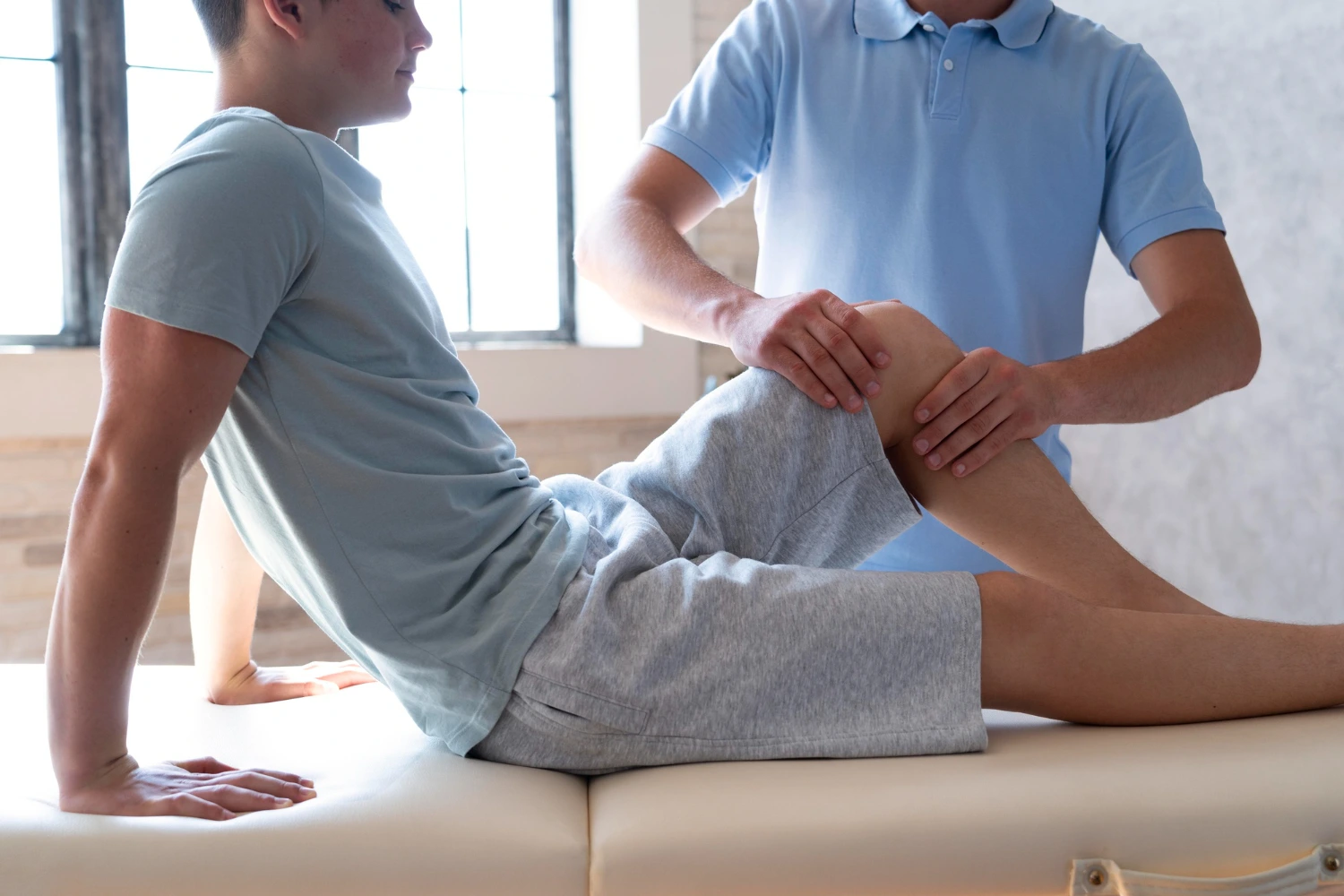
Recovery begins with a detailed clinical assessment. At Fisio, physiotherapists evaluate joint stability, muscle strength, swelling and movement patterns. This step ensures the ACL rehab plan is tailored to your condition.
Pain Management and Swelling Reduction
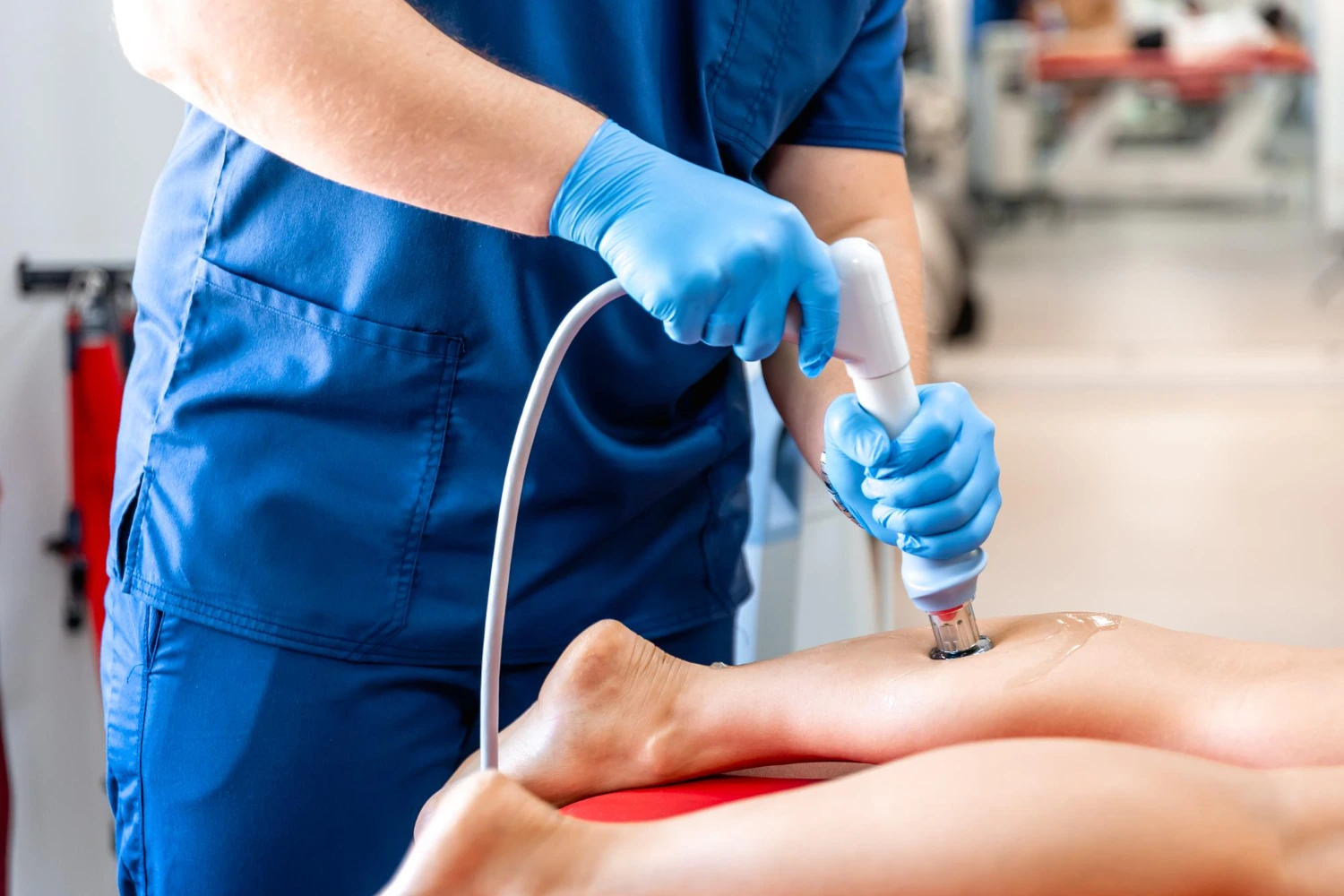
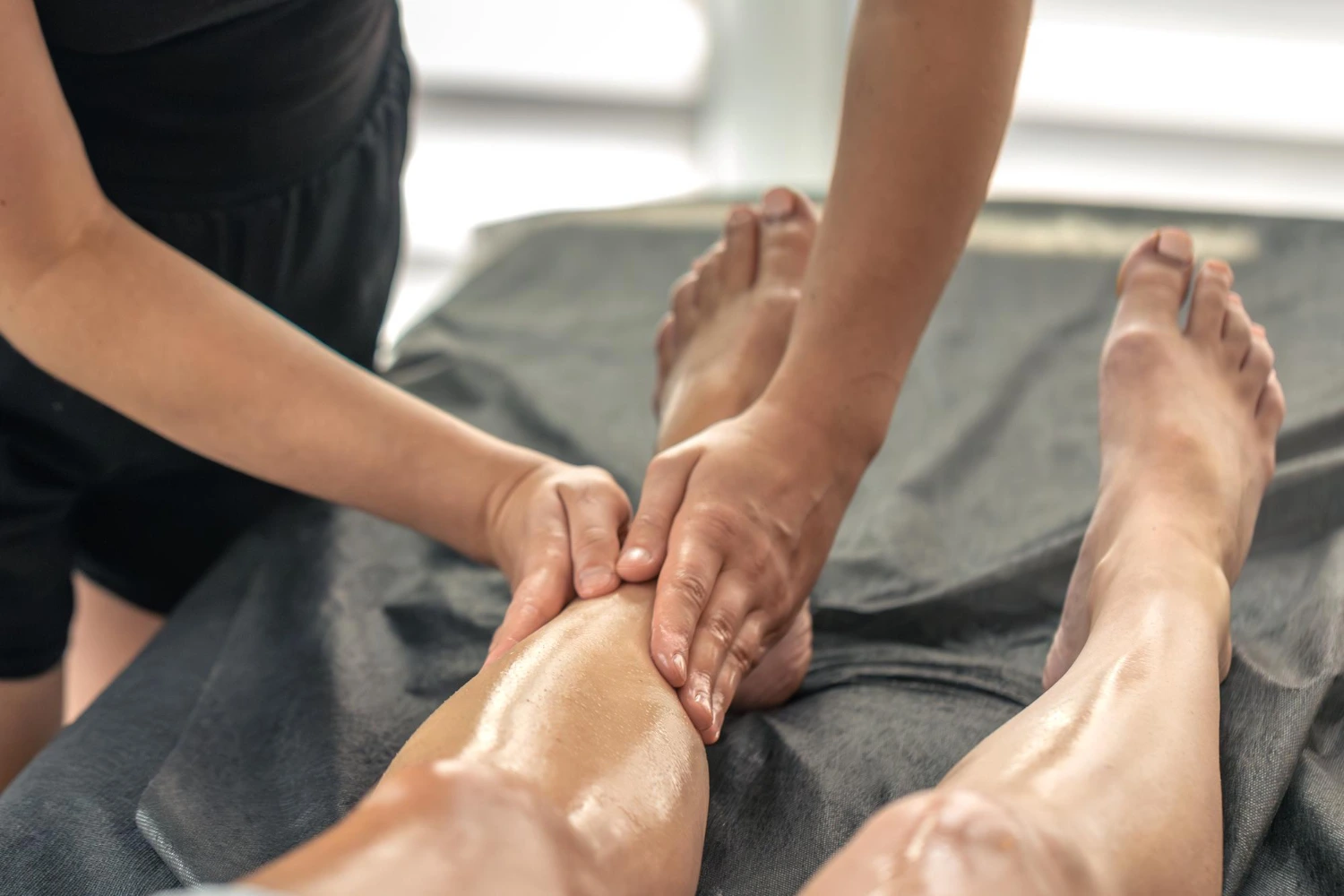
Early phases focus on reducing inflammation and discomfort. Techniques may include manual therapy, controlled exercises and modalities that support healing.
Mobility Restoration and Strength Building
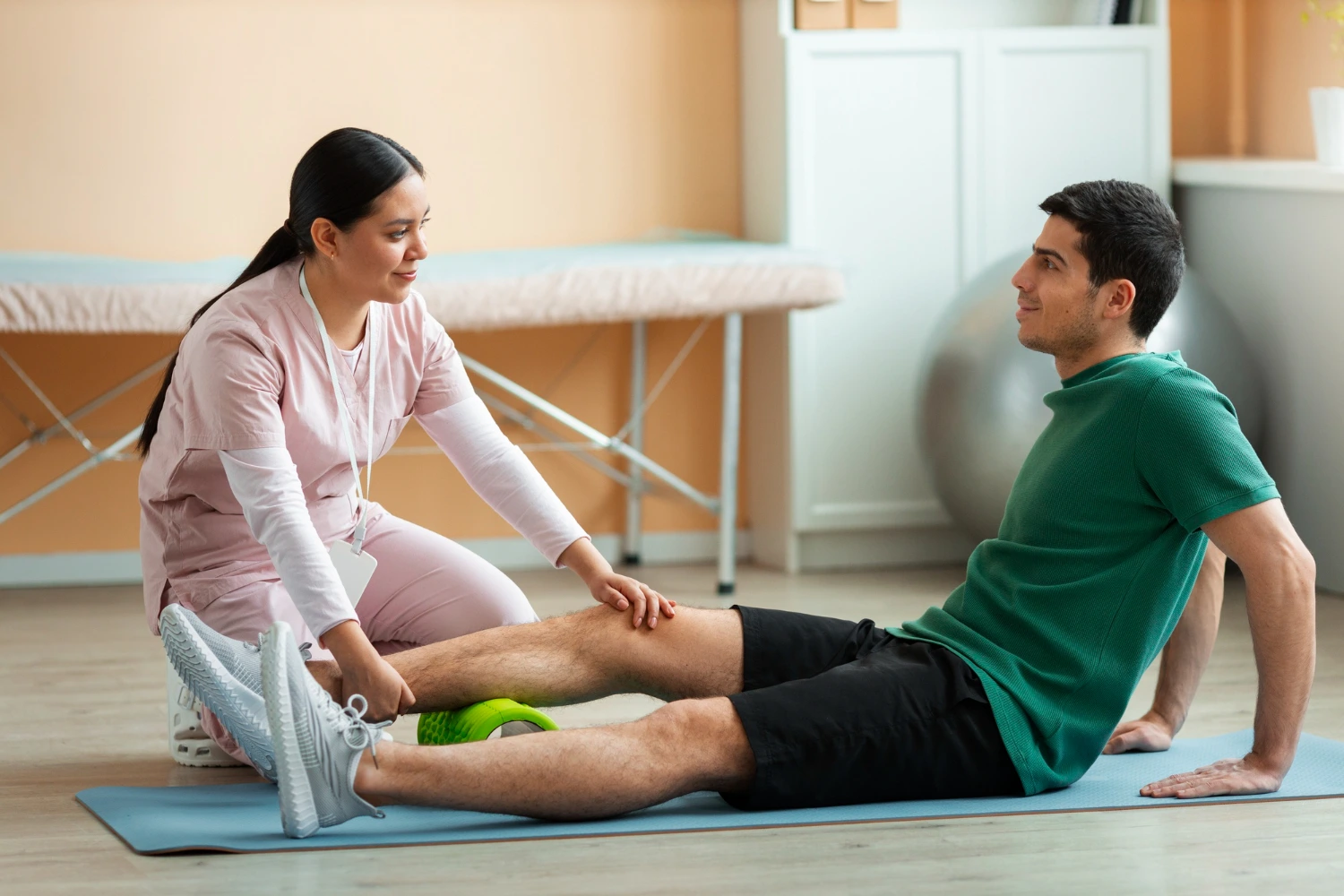
As pain decreases, attention shifts to rebuilding the range of motion and muscle strength. Targeted exercises help strengthen the quadriceps, hamstrings and surrounding stabilizers. This stage is critical in ACL therapy.
Functional Recovery and Movement Training
Once strength improves, functional drills simulate daily and sports-related movements. This phase integrates advanced ACL training to ensure safe return to activity.
ACL Training Techniques Used in Physiotherapy
Strengthening Exercises for Knee Stability
Exercises such as controlled squats, step-downs and resistance training improve joint support. These are essential components of ACL rehab.
Balance and Coordination Training
Balance boards and proprioceptive drills retrain the nervous system to stabilize the knee. This enhances overall joint awareness.
Flexibility and Range of Motion Exercises
Gentle stretching restores flexibility and prevents stiffness. Improved range reduces stress on the recovering ligament.
Sport-Specific ACL Training Programs
Athletes benefit from customized ACL training programs that replicate real-game movements. These drills reduce the risk of re-injury and build confidence before returning to sport.
Benefits of Professional ACL Therapy for Long-Term Recovery
Faster Healing and Reduced Pain
Structured ACL therapy supports safe healing by guiding progression. Controlled exercises reduce stiffness and minimize chronic discomfort.
Improved Knee Strength and Stability
Professional ACL rehab strengthens the entire kinetic chain, not just the ligament. This improves balance and long-term joint stability.
Prevention of Re-Injury and Future Complications
Without proper rehabilitation, re-injury rates remain high. Comprehensive ACL training lowers this risk and protects long-term mobility.
Who Needs ACL Rehab and ACL Training Programs
Athletes Recovering from Knee Injuries
Competitive and recreational athletes often require advanced ACL rehab to regain performance levels safely.
Post-Surgery ACL Rehabilitation Patients
After ACL reconstruction surgery, guided ACL therapy is essential to restore function and prevent stiffness.
Individuals with Chronic Knee Instability
Even those without surgery may benefit from structured ACL training if they experience recurring instability.
Why Choose Fisio for Expert ACL Therapy and Rehabilitation
Personalized ACL Rehab Programs
Fisio develops customized plans based on each patient’s goals and injury severity.
Evidence-Based Treatment Methods
As a leading physiotherapy center in Dubai, Fisio applies modern medical techniques and technology to support recovery.
Experienced Physiotherapy Specialists
Fisio’s team includes highly trained physiotherapists experienced in sports and orthopedic rehabilitation, ensuring safe and effective ACL rehab.
Recovery Timeline and What to Expect from ACL Therapy
Recovery timelines vary. Mild injuries may require several weeks, while post-surgical cases can extend to several months. Consistent ACL rehab and adherence to exercises significantly influence outcomes. Gradual progression, supervised ACL training and patient commitment determine long-term success.
Conclusion — Regain Strength and Mobility with ACL Rehab and ACL Training
ACL injuries can disrupt mobility and confidence. However, with structured ACL therapy and a guided recovery process, patients can regain stability and strength. Professional ACL rehab ensures safe healing, reduces pain and supports a return to normal activity.
Call to Action — Start Your ACL Therapy Journey with Fisio
Knee instability should not control how you move, work, or train. With structured ACL rehab, expert guidance, and a clear recovery plan, you can rebuild strength and confidence step by step.
At Fisio, a premier physiotherapy center in Dubai, recovery is guided by modern techniques, advanced technology, and experienced specialists who understand sports and orthopedic rehabilitation.
Take the first step toward stronger, safer movement today.
Visit https://www.fisio.ae/ to book your consultation and begin your personalized ACL therapy program with Fisio.
FAQs
1. How long does ACL rehab usually take?
Recovery time depends on your injury. Some people need a few weeks, while post-surgery cases may take a few months.
With consistent ACL rehab, most patients steadily regain strength and confidence in their knee.
2. Do I need ACL therapy if I didn’t have surgery?
Yes, many people recover well without surgery through structured ACL therapy.
A guided ACL rehab plan strengthens your knee and reduces the risk of further instability.
3. When can I return to sports after ACL training?
You can return to sports once your knee feels stable and strong again.
Progress in ACL training and functional testing determines when it’s safe to get back in the game.
4. What happens during an ACL rehab session?
Each ACL rehab session focuses on improving strength, balance, and movement step by step.
As you improve, more advanced ACL training exercises are added to prepare you for daily activity or sport.
5. Can ACL injuries cause long-term problems if untreated?
Yes, ignoring an ACL injury can lead to ongoing instability and joint issues.
Professional ACL therapy helps protect your knee and supports long-term mobility.