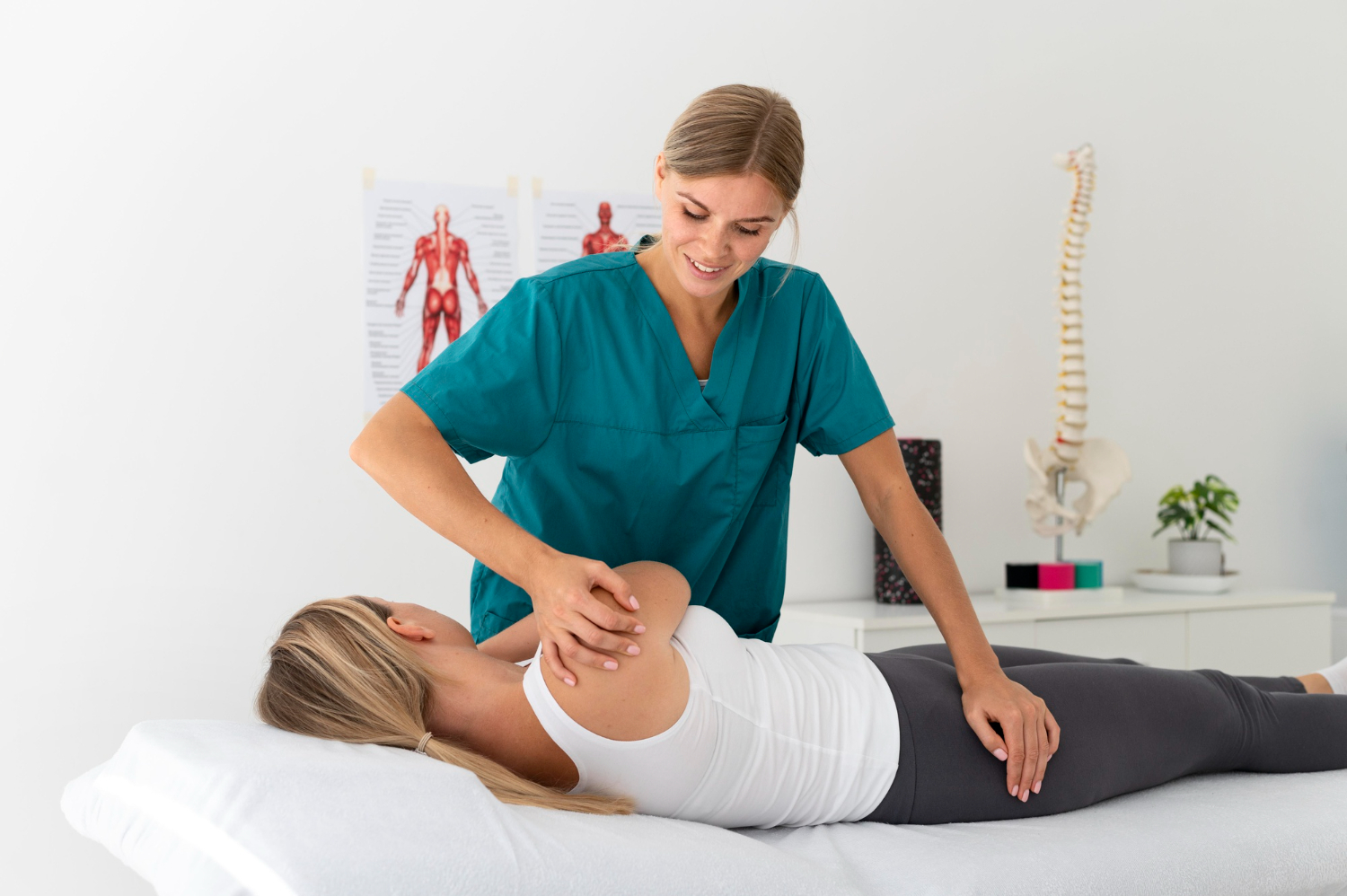

Have you ever felt a sharp twinge in your back while lifting something or struggled to walk because your knee simply refused to cooperate? You are not alone. Most people will experience a musculoskeletal issue at some point in their lives. The good news is that orthopedic physiotherapy has helped millions restore movement, reduce pain, and return to their normal routines faster than they expected. The right orthopedic physiotherapist does more than treat your symptoms they help you understand your body and regain confidence in your mobility.
Orthopedic Physiotherapy in Dubai continues to evolve quickly, especially with clinics like Fisio offering advanced, personalized treatment plans. But what exactly does orthopedic physiotherapy cover, and which conditions benefit the most? Let us explore the most common problems treated in an orthopedic setting and why these therapies are so effective.
1. Muscle Strains and Ligament Sprains
Weekend workout gone wrong? Sudden twist while walking? These are typical causes of strains and sprains.
Common signs include:
- Sharp pain during movement
- Swelling or bruising
- Difficulty bearing weight
- Muscle weakness or instability
A common example is a player who pulls their hamstring during a football match and wakes up the next day with pain and difficulty bending forward. With orthopedic physiotherapy, they get hands-on treatment, gentle stretching, and a gradual strengthening plan. Over a few weeks, their pain reduces, movement improves, and they return to playing safely.
2. Back Pain and Sciatica
Lower back pain affects almost 80% of adults at some point in life. When sciatica causes sharp pain running down the leg, simple daily activities can become difficult and uncomfortable.
Orthopedic physiotherapy helps by:
- Improving spinal alignment
- Relieving nerve compression
- Strengthening the core and stabilizing muscles
- Teaching posture corrections to avoid flare-ups
Patients often say they feel “lighter” after just a few sessions because their mobility improves and pressure on the nerves reduces.
3. Neck Pain and Cervical Issues
Hours spent on laptops and phones have made neck pain one of the most common complaints today. A stiff neck may sound harmless, but it can lead to persistent headaches, dizziness, and shoulder tension.
Treatment may include:
- Cervical mobilization
- Postural correction
- Strengthening of deep neck flexors
- Ergonomic education
Therapy sessions often feel like hitting reset for the upper body, easing tension and improving posture, movement, and overall comfort.
4. Shoulder Conditions: Frozen Shoulder, Rotator Cuff Injuries
The shoulder joint is highly mobile, which also makes it vulnerable. Frozen shoulder can make even wearing a shirt painfully difficult, while rotator cuff injuries are common among athletes and people with repetitive overhead movements.
An orthopedic physiotherapist uses targeted mobilization and strengthening to bring back the range of motion. Frozen shoulder often improves dramatically with consistent physiotherapy, reducing stiffness stage by stage.
5. Knee Pain: ACL Injuries, Meniscus Tears & Osteoarthritis
Knee issues can appear in athletes, older adults, or anyone with an active lifestyle.
Typical knee problems treated include:
- ACL tears
- Meniscus injuries
- Patellar tendinitis
- Osteoarthritis
Orthopedic physiotherapy helps prevent long-term joint damage by building strength, improving balance, and restoring mobility. At Fisio, many patients are able to return to their sport without surgery, depending on the severity of the injury.
6. Hip Pain and Mobility Disorders
The hip joint carries your body weight, making it prone to wear, tear, and stiffness. Hip bursitis, labral tears, and early arthritis are commonly treated.
Hip-focused orthopedic physiotherapy improves:
- Walking patterns
- Pelvic stability
- Joint mobility
- Pain-free movement
It is especially beneficial for adults who feel their hips become stiff or “lock” after long periods of sitting, helping restore comfort, smoother movement, better joint function, and easier mobility in daily activities.
7. Fracture Rehabilitation
Once a cast comes off, muscles often feel weak and stiff. Mobility drops drastically.
Orthopedic physiotherapy supports patients through:
- Regaining range of motion
- Restoring strength
- Correcting compensations
- Rebuilding normal movement patterns
A good rehab plan can make the difference between long-term stiffness and a full return to pain-free daily activities.
8. Post-Surgical Orthopedic Rehabilitation
Surgeries like ACL reconstruction, rotator cuff repair, knee replacement, or spinal procedures require structured rehabilitation.
A specialist in Orthopedic Physiotherapy in Dubai ensures:
- Controlled recovery
- Safe strengthening
- Scar tissue management
- Faster return to normal activities
- Reduced risk of re-injury
The difference between good and poor rehabilitation often shows up years later in joint mobility and pain levels.
9. Arthritis and Degenerative Joint Conditions
Osteoarthritis, rheumatoid arthritis, and age-related degeneration are extremely common. Many people assume pain is inevitable, but physiotherapy often brings surprising relief.
Benefits include:
- Increased joint lubrication
- Better movement patterns
- Reduced inflammation
- Improved muscle support around the joint
Patients report that regular sessions help them stay active without relying heavily on pain medications.
10. Sports Injuries Treated with Orthopedic Physiotherapy
Whether you are a runner, swimmer, cyclist, or weekend sports enthusiast, injuries happen. Tendinitis, muscle tears, shin splints, and overuse injuries respond extremely well to physiotherapy.
A trained orthopedic physiotherapist not only treats the injury but also identifies the root cause, such as weak stabilizers, poor mechanics, or training errors.
11. Chronic Pain Conditions and Mobility Limitations
Conditions like fibromyalgia, chronic low back pain, and repetitive strain injuries require long-term management. Orthopedic physiotherapy focuses on improving daily function, reducing flare-ups, and teaching patients how to manage symptoms.
A combination of manual therapy and graded exercise programs often results in significant improvements. At Fisio, this integrated approach supports safe, steady, and long-lasting recovery.
12. When to See an Orthopedic Physiotherapist
You should consider seeing a physiotherapist if:
- Pain continues for more than a few days
- Movement feels limited or uncomfortable
- You notice weakness, swelling, or joint instability
- You recently had surgery, a fracture, or a sports injury
- Daily tasks like walking, climbing stairs, or getting up are becoming difficult
If you are unsure, ask yourself: Is this pain stopping me from living normally? If yes, it is time to book an assessment.
How Orthopedic Physiotherapy Restores Function and Quality of Life
Orthopedic physiotherapy is more than symptom relief. It is a structured, evidence-based approach that helps you move confidently, recover faster, and protect your joints for the long run. Whether it is back pain, knee injuries, post-surgical recovery, or chronic stiffness, the right treatment plan can change your life.
If you are searching for expert support, personalized care, and proven results, Fisio offers advanced Orthopedic Physiotherapy in Dubai designed to help you regain strength, mobility, and long-lasting relief.
Ready to feel better and move better?
Book your orthopedic physiotherapy appointment with Fisio today and start your recovery journey.