You’ve probably seen someone with those round marks on their back and thought, “What happened there?” That’s cupping. It looks a bit strange at first, but it’s not painful or extreme.
Most people try it when they’re dealing with tight muscles, lingering pain, or stress that just won’t let up. It’s not about trends or wellness hype. It’s about getting some relief without needing to rely on painkillers all the time.
Cupping is simple. The cups go on, suction pulls the skin slightly, and blood flow improves. That’s when muscles start to loosen, and pressure begins to ease.
If you’ve been curious about cupping therapy treatment but weren’t sure what it really involves, this breaks it down. What it’s used for, how it feels, and why more people are giving it a try.
What Is Cupping Therapy?
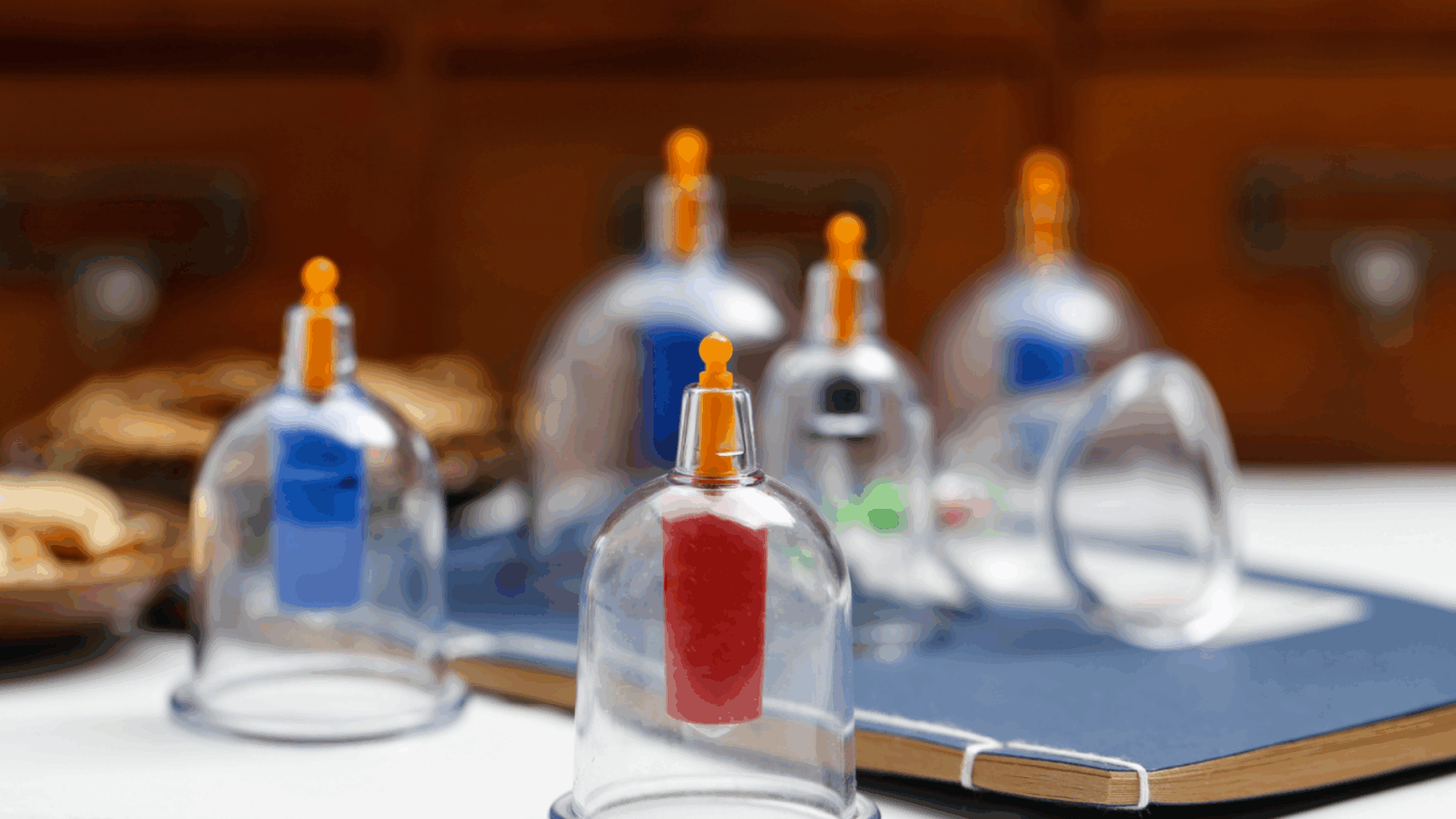
The idea is pretty straightforward. Cups are placed on your skin, and suction pulls the skin slightly upward. This draws blood toward the surface, helps loosen tight muscles, and improves blood flow in the area. Most of the time, the cups are either made of silicone or plastic, and the suction is created either manually or using a pump.
There are a few styles. Dry cupping uses just suction. Wet cupping adds a small release of blood. Some places still use fire to create the suction, but that’s less common now. The most popular method today is dry cupping. It’s clean, quick, and doesn’t hurt much. A bit odd at first, but most people settle into it after a minute.
Top 10 Health Benefits of Cupping Therapy
These aren’t wild promises. This is what people often notice when they make cupping part of their routine.
- It Helps with Muscle Pain
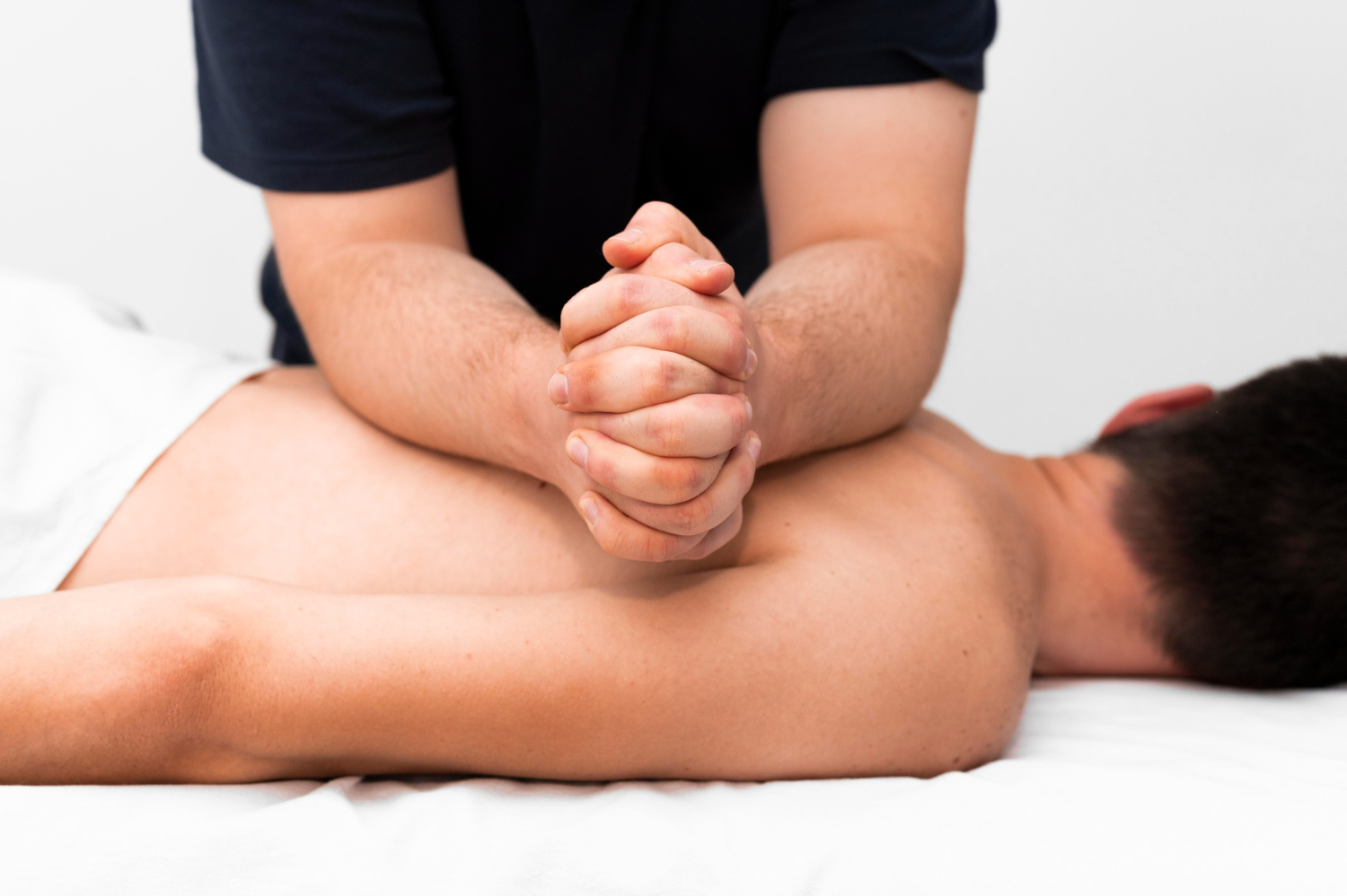
Back pain. Neck stiffness. Sore shoulders. Cupping brings blood to tight areas, helps reduce that deep muscle tension, and gives things a chance to recover properly.
- It Boosts Circulation
Poor blood flow can slow healing. Cupping forces blood into sluggish areas and speeds things up. That means less soreness, quicker recovery, and fewer muscle cramps.
- It Supports Your Body’s Natural Detox
Cupping helps the lymphatic system move waste out. It’s not a detox gimmick. It’s just improved drainage, which helps your body get rid of things it’s holding onto.
- It Can Ease Chronic Inflammation
People with ongoing pain often use cupping to reduce swelling and stiffness. It doesn’t replace treatment, but it supports the body’s ability to manage inflammation.
- It Helps You Relax
Many people feel calm during and after cupping. It’s not just physical relief. There’s something about lying still and letting your body release tension that sticks with you afterward.
- It Can Improve Skin Appearance
Better circulation helps skin too. Some use cupping for mild acne, dullness, or just to give the skin a bit more life. Facial cupping exists for a reason.
- It Might Help with Digestion
Some therapists apply cupping to the stomach area to relieve bloating or support digestion. It’s not a cure, but it can be part of a larger approach to gut issues.
- It Improves Flexibility
If your joints or muscles are tight, cupping might help loosen things up. That means better range of motion and less stiffness during workouts or daily tasks.
- It Can Support Recovery from Colds
Upper back cupping has been used to help with chest congestion. The suction can stimulate circulation and sometimes ease breathing a little faster.
- It Works as General Maintenance
You don’t need to be injured or in pain. Some people book a session every few weeks just to reset. Think of it like stretching, but with deeper results.
Who Should Try It?
Cupping isn’t simply for athletes or those who have had major injuries. If you have muscle tightness, are stressed, sit at a desk all day, or wake up stiff, you may benefit from it. However, even if it is regarded safe, cupping is not recommended for everyone. It’s not suggested for individuals with liver, renal, or cardiac problems, or those who have a pacemaker. It is also not suitable for people who have hemophilia, anemia, or other blood problems, have heart disease, or are using blood thinners.
Cupping to the abdomen and lower back is not advised while pregnant. If there’s suspicion of an infection or an open wound, cupping shouldn’t be performed.
What to Expect During and After a Session
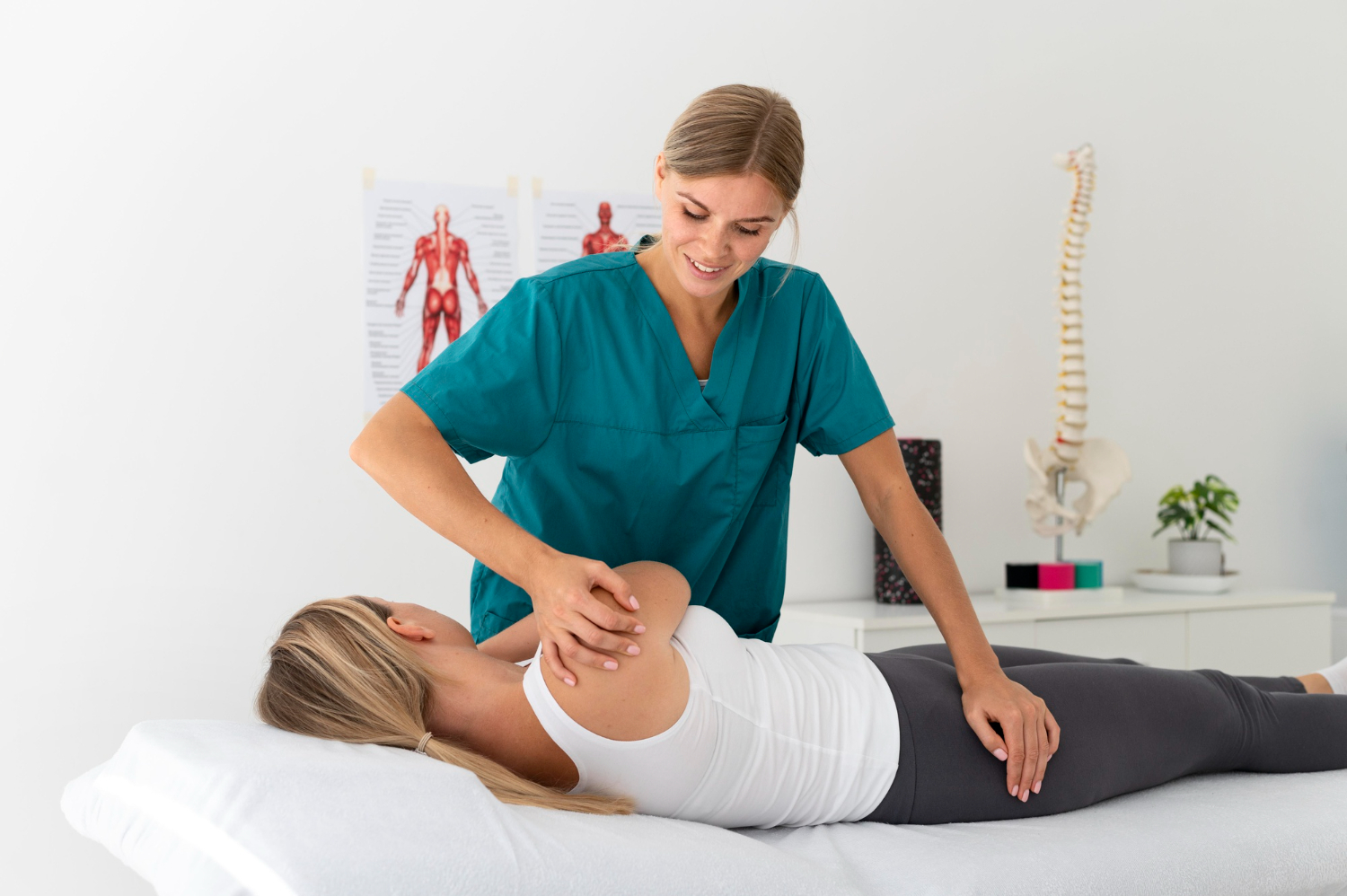
You’ll lie down while the therapist places cups on your back, legs, or wherever the pain is. As suction starts, you’ll feel a tight pull. Not painful, just strange. After a minute or two, it becomes easier to sit with. Some people fall asleep. Others just zone out.
The therapist might leave the cups in place for 10 to 20 minutes, or move them around slightly if your muscles need more work. When they come off, you’ll see red or purple marks. These aren’t bruises. They fade in a few days.
After the session, most people feel loose, tired, or just a bit lighter. It’s not dramatic, but it’s noticeable. Drink some water. Rest if you can. If it’s your first session, don’t schedule anything intense right after.
A proper practitioner offering the best cupping therapy in Dubai will explain all this up front and answer any questions before and after your visit.
Final Thoughts
Cupping isn’t magic. But it’s not hype either. It helps people feel better in a way that’s easy, safe, and hands-on. If you’re fed up with chronic tension or want a way to support recovery, cupping therapy treatment is worth considering.
Just go to someone who knows what they’re doing. No drama. No guesswork. The best cupping therapy in Dubai will keep things simple, clean, and focused on helping you feel better—without promising the world.
Tags: