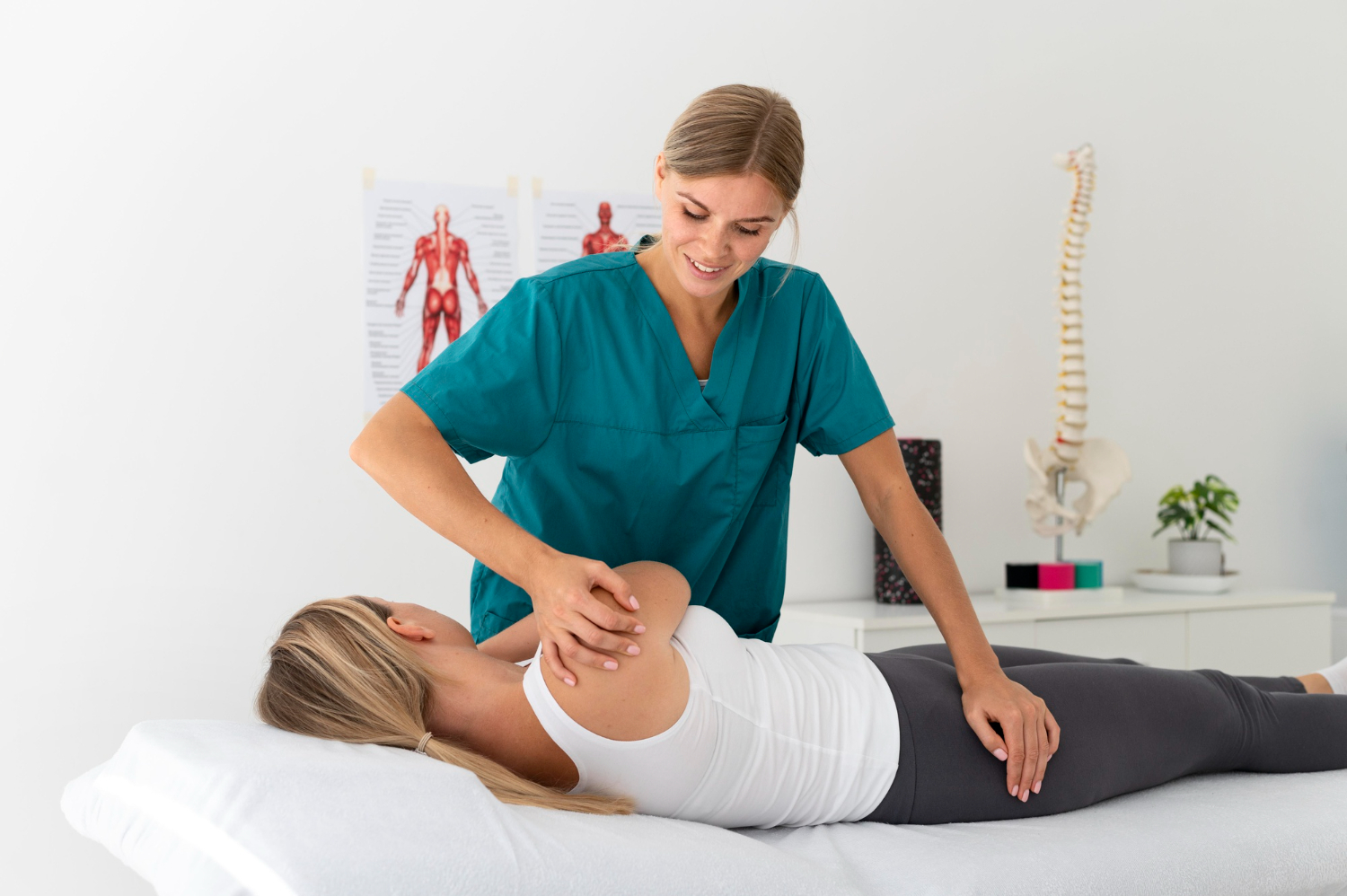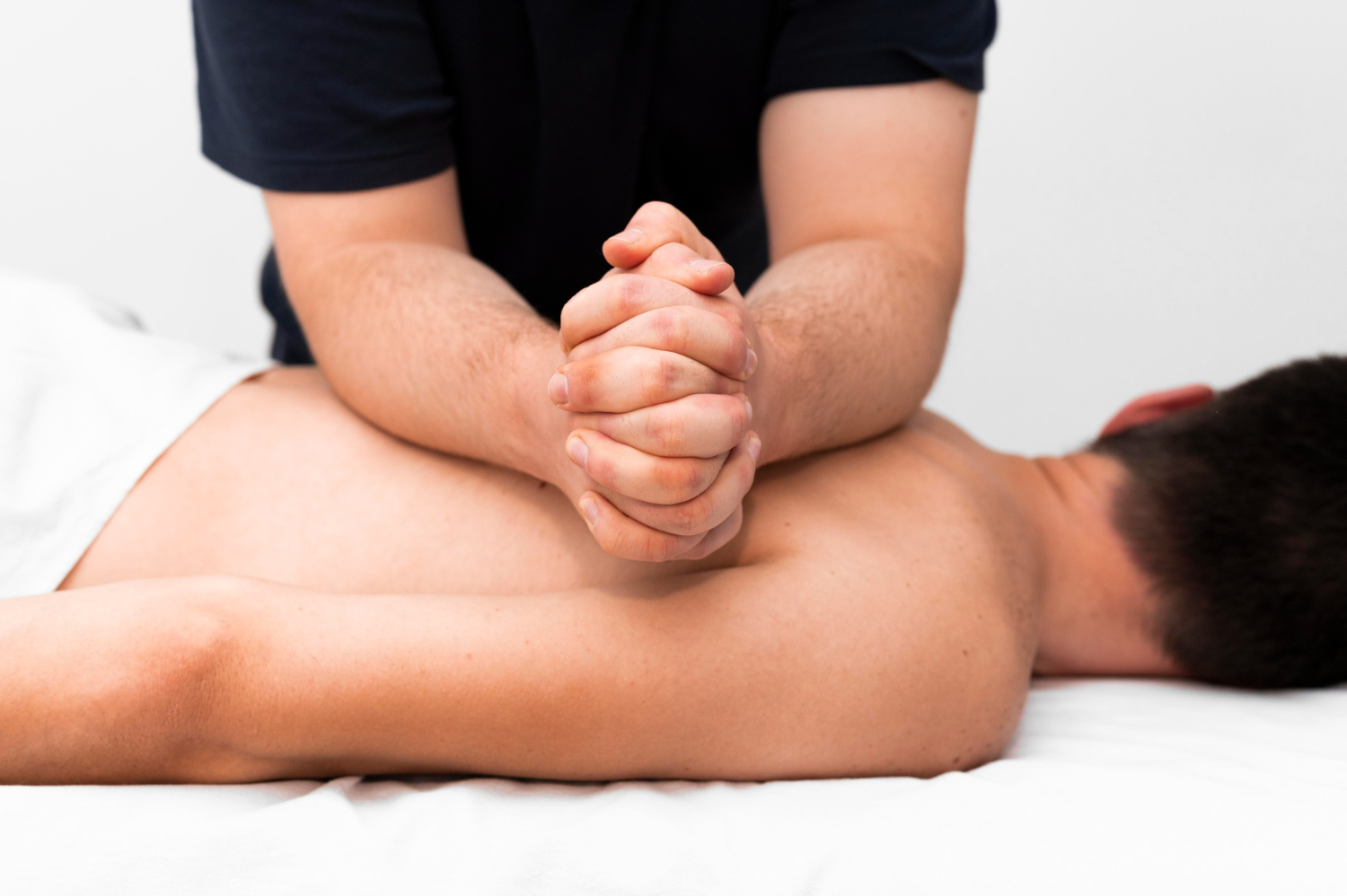

You’ve seen those round purple marks on athletes, right? Swimmers, boxers, even people at your gym. That’s not a weird rash—it’s cupping. Cupping therapy treatment has been around for centuries, and now it’s everywhere. It looks a little intense, but most people say it feels good. Suction on your skin, muscles loosening, tension fading. Some go for recovery, others for stress. And some just because nothing else worked. It’s one of those treatments that sparks curiosity because it’s both old and surprisingly relevant today.
How Cupping Therapy Works
The method is simple. A cup is placed on the skin. Air gets pulled out, so the skin lifts. Blood rushes to the area, circulation improves, and the body gets the signal to heal. Sometimes the cups just sit there. Other times, the therapist slides them around with oil. You leave with round marks, almost like polka dots, but they’re not painful and usually fade in days. Ask anyone who’s tried the best cupping therapy in Dubai, and they’ll say the same: it feels weird at first, then strangely relaxing. Over time, those marks become a badge of having done something good for your body.
Main Types of Cupping Therapy
Cupping isn’t one single thing. There are a few ways to do it, and each has its own vibe:
- Dry cupping: The basic one. Suction only. No cuts. The most common and easiest to start with.
- Wet cupping: Adds tiny incisions first. A bit of blood comes out, which some believe helps “detox.” It’s more traditional and usually done in controlled medical-like settings.
- Fire cupping: Old-school style. A flame heats the air inside the cup before it’s placed. Stronger suction. The sensation is different and often described as deeper.
- Massage cupping: Oil on the skin, cup sliding around. Feels more like deep tissue massage with a twist. Great for those who want therapy plus relaxation.
- Silicone or rubber cupping: Softer cups that can be squeezed. Gentler, easier to move, often used on sensitive areas. Many people like it because it’s adjustable.
Benefits of Each Type of Cupping Therapy
Why pick one style over another? Depends what you want:
- Dry cupping: Best for general aches, muscle tightness, or post-gym soreness. It’s the go-to for most first-timers because it’s simple and effective.
- Wet cupping: Used for chronic pain and inflammation. The blood release is thought to help remove waste. Some people with long-standing conditions prefer this.
- Fire cupping: Stronger pull, so it hits stubborn knots or deep tissue tension. It can feel intense but offers real relief when regular massage doesn’t cut it.
- Massage cupping: Calming. Good for swelling, stress, and better lymph flow. It’s the type that leaves you feeling both lighter and more relaxed.
- Silicone cupping: Flexible, adjustable, and less intimidating for beginners. It’s often used at home under guidance but is still effective in a clinic.
Common Conditions Treated with Cupping
People don’t book a cupping therapy treatment just to get circle marks. They book it because something hurts or feels off. Some common ones:
- Muscle pain: The most popular reason. Athletes swear by it. It shortens recovery time and gets you moving faster.
- Back and neck stiffness: Perfect for desk workers glued to a chair all day. Even a few sessions can make sitting and working easier.
- Headaches: Loosening the neck and shoulders often cuts down migraines. Some say they finally get relief after years of struggling.
- Breathing problems: Traditionally used for asthma or chest tightness. Some still go for this today. It helps open up the chest and ease congestion.
- Stress and sleep issues: Massage cupping especially leaves people calmer, sometimes even drowsy. A relaxed body usually means better sleep.
Who Can Benefit from Cupping Therapy?
It’s not just a pro-athlete thing. Anyone can try it. Students hunched over laptops. Parents juggling kids and backaches. Gym-goers who can’t shake soreness. Even people dealing with anxiety or poor sleep. At clinics that offer the best cupping therapy in Dubai, you’ll see a mix: young, old, athletes, office workers. It’s one of those treatments that crosses categories. If you’re open-minded enough to try it once, you’ll know pretty quickly if it works for you.
Safety, Side Effects, and Precautions
Here’s the real talk. Cupping is safe in trained hands. The red or purple marks are normal. They fade in a few days. Some people feel a bit dizzy right after, so lying down helps. Wet cupping is riskier; it involves cuts, so it must be hygienic. Don’t try it with someone untrained. And if you’re pregnant, have bleeding problems, or skin infections? Always ask a doctor first. Bottom line: a safe cupping therapy treatment depends on where you go and who’s doing it. That’s why checking credentials and reviews before booking is worth the time.
How to Choose the Right Type of Cupping for Your Needs
Don’t overthink it. Start with your goal:
- Just sore muscles? Dry or massage cupping is enough. Even one session can make a noticeable difference.
- Chronic, deep pain? Fire or wet cupping may work better. These methods go deeper and may need multiple sessions.
- Nervous about it? Silicone cups are a gentler start. They’re less scary and allow more control.
The smartest approach is to book a consultation. Trusted clinics offering the best cupping therapy in Dubai, such as Fisio, begin by understanding your concerns and goals before recommending the right treatment. You’re not left guessing; you get expert guidance tailored to your body, not a one-size-fits-all option.
Conclusion – Is Cupping Therapy Right for You?
Cupping isn’t magic, but it works for a lot of people. The marks look odd, the process feels unusual, but the results keep people coming back. From athletes to office workers, different types of cupping therapy treatment cover a wide range of needs. If you’re curious, try a session at Fisio and see how your body responds. You might leave feeling looser, calmer, and wondering why you didn’t try it sooner. Even if it doesn’t become your routine, at least you’ll finally understand what the hype is about.
Tags: