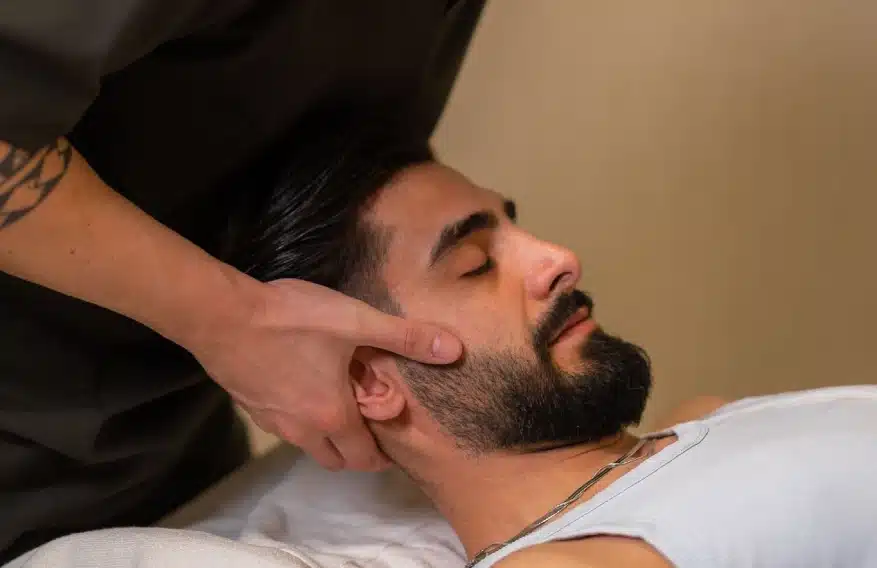

Sciatica has a way of showing up at the worst possible time. One day you are fine, and the next you are struggling to sit, stand or even walk without that sharp, burning pain shooting down your leg. If this sounds familiar, you are not alone. Sciatica affects millions of people worldwide, and many of them spend months searching for real, lasting relief. The good news? With the right approach, especially through physiotherapy, long-term recovery is possible.
Let us break down everything you need to know about sciatica pain, why it happens and how sciatica physiotherapy becomes one of the most effective long-term solutions. If you are looking for sciatica pain treatment in Dubai, you will find useful insights and effective approaches based on professional expertise.
What Is Sciatica?
Sciatica is not a condition on its own but a symptom that the sciatic nerve is being irritated or pressed by something. This nerve is the longest in your body, starting from the lower back and running through the hips, buttocks and down each leg.
When the sciatic nerve becomes compressed, inflamed or pinched, it creates pain that often travels along the same path. People describe it in different ways:
- Sharp shooting pain
- Burning or electric-like sensation
- Pain that worsens when sitting or bending
- Tingling or numbness in the leg
Imagine a cable that connects your brain to your leg. If that cable gets squeezed, twisted or irritated, the signal becomes distorted and painful. That is sciatica.
Major Causes of Sciatica Pain
Sciatica can appear suddenly or gradually, depending on the cause. Some of the most common reasons include:
1. Herniated or Bulging Disc
This is the leading cause of sciatica. A spinal disc can slip or bulge out of place and press on the sciatic nerve. Research shows that nearly 90 percent of sciatica cases are linked to disc problems.
2. Piriformis Syndrome
The piriformis muscle in the buttock can tighten or spasm, irritating the nerve that passes just beneath it. People who sit for long hours or drive frequently often experience this.
3. Spinal Stenosis
Spinal stenosis happens when the space inside the spine becomes narrow and presses on the nerves. It is more common in older adults and often causes leg or back pain.
4. Degenerative Disc Disease
As we age, spinal discs lose moisture and cushioning, making them less flexible. This can irritate nearby nerves, leading to pain, stiffness, and reduced movement.
5. Pregnancy
During pregnancy, extra body weight and changes in posture put pressure on the sciatic nerve. This may cause discomfort, leg pain, or lower back aches.
6. Injuries or Trauma
A fall, accident, or lifting something heavy the wrong way can strain the spine and irritate the sciatic nerve, causing sudden or long-lasting pain.
If you’ve been wondering why your back and leg pain keep returning, one of these underlying causes may be responsible. That’s why seeking early sciatica nerve treatment in Dubai is important. At Fisio, timely assessment and targeted care help prevent long-term complications and recurring pain.
Common Symptoms of Sciatica
While symptoms vary, most people experience:
- Lower back pain that spreads into the buttocks and legs.
- Pain that worsens with prolonged sitting
- Difficulty walking or bending
- Numbness, tingling or weakness in the leg that is affected.
- A feeling like an “electric shock” down the leg
Some people find they cannot sit for long because the pain increases and may travel down the leg. With a few physiotherapy sessions, many start noticing better comfort and improved movement.
How Physiotherapy Provides Long-Term Relief
Physiotherapy is a safe and effective way to treat sciatica because it aims to solve the real cause of the problem, not just hide the symptoms.
1. Pain Management and Inflammation Reduction
Manual therapy, dry needling, soft tissue release and heat therapy help reduce inflammation around the nerve. At Fisio, sciatica pain treatment often begins with easing the intense pain so you can move comfortably again.
2. Strengthening Weak Muscles
Weak core and hip muscles are major contributors to sciatic pain. Physiotherapists design targeted exercises to support your spine and relieve pressure on the nerve.
3. Improving Mobility and Flexibility
Tight muscles can worsen nerve irritation. Stretching routines, nerve gliding exercises and mobility work restore normal movement.
4. Correcting Posture and Movement Patterns
Poor posture while sitting, lifting or walking can trigger sciatica. Physiotherapists evaluate your daily activities and help you correct harmful habits.
5. Preventing Recurrence
The goal is not just temporary relief. A personalized plan ensures long-term recovery and reduces the chances of flare-ups.
If you are searching for reliable sciatica treatment in Dubai, Fisio stands out as the most holistic and sustainable option.
When to Seek Physiotherapy for Sciatica
You should consider professional help if:
- The pain lasts more than one week
- You feel numbness or weakness in the leg
- Pain disrupts sleep or daily activities
- Home remedies provide little relief
- You experience recurring flare-ups
Urgent care is needed if you develop bowel or bladder issues, as that may indicate severe nerve compression.
Starting early physiotherapy can speed up healing and prevent long-term nerve damage. Many people delay treatment, hoping the pain will “go away on its own,” but this often makes recovery slower.
Home Care Tips to Reduce Sciatica Pain
While physiotherapy is crucial, simple habits can support your recovery:
1. Heat and Ice Therapy
- Apply ice during the first 48 hours to reduce inflammation.
- Use heat later to relax tight muscles.
2. Gentle Stretches
Try these daily:
- Hamstring stretch
- Piriformis stretch
- Cat-cow pose
- Knee-to-chest stretch
These help relieve pressure on the sciatic nerve.
3. Avoid Long Periods of Sitting
Try not to sit for too long. Take a short break every 30 minutes, even a quick walk helps improve blood flow and reduce pressure on the spine.
4. Use Proper Lifting Techniques
When lifting anything heavy, bend your knees and use your legs for strength instead of your back. This helps protect your spine from injury.
5. Strengthen Your Core
Building strong stomach and back muscles supports your spine, improves posture, and reduces irritation on the nerves.
These steps do not replace professional sciatica physiotherapy, but they can speed up and improve your results.
Benefits of Professional Physiotherapy for Sciatica
Choosing the right clinic for sciatica pain treatment in Dubai can transform your recovery experience. Here are some key benefits:
- Personalized treatment plans based on your cause, symptoms and lifestyle
- Hands-on therapy like dry needling, trigger point release and joint mobilization
- Advanced equipment used to speed up healing
- Improved posture and spinal alignment
- Long-term prevention strategies to avoid recurrence
- Faster recovery compared to medication alone
Move Beyond Sciatica Pain
Sciatica pain can feel overwhelming, but you do not have to live with it. With the right combination of early diagnosis, expert physiotherapy and simple lifestyle adjustments, long-term relief is completely achievable.
If you are struggling with persistent back or leg pain and are searching for sciatica pain treatment, sciatica physiotherapy or sciatica nerve treatment in Dubai, the team at Fisio can support you in recovering safely and effectively. Our therapists specialize in sciatica treatment in Dubai, offering personalized care designed to address the root cause of your pain.
Book your consultation with Fisio today and start your journey to long-term relief.
Tags: